
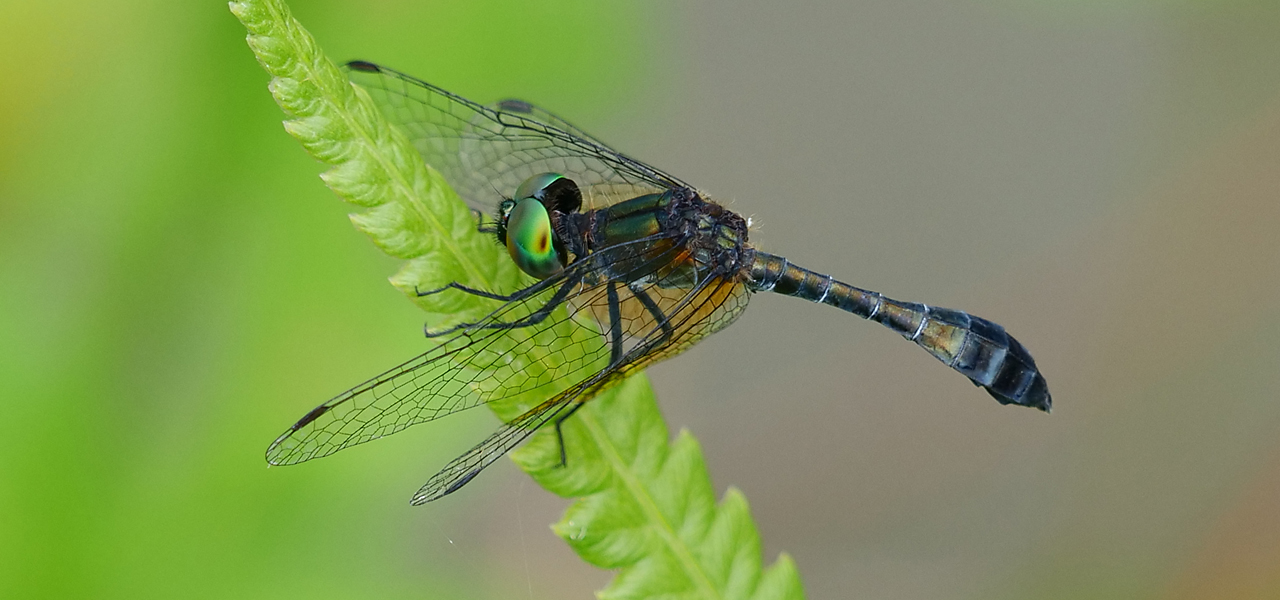

Thailand - Dragonflies & Damselflies
May 08th - 23rd, 2027
The dragonfly list for Thailand is approaching 400 species and holds a wealth of exciting species, including quite a number of species that are either endemic, range restricted or awaiting formal description. Our tour to western Thailand is designed to cover a wide range of habitats and we will spend time searching for many rarely observed species, whilst balancing the plethora of opportunities for photographing the more widespread south east Asian species. Our tour schedule is designed to make the most of the local knowledge of Tosaphol Saetung Keetapithchayakul (Minh). Minh is a Thai national who has undertaken field work in the areas to be visited during the tour. He is considered a regional expert in the larvae of south east Asian dragonflies . He is currently working at Duy Tan University in Da Nang, Vietnam as a full time researcher and lecturer. He has authored or co-authored the findings of 23 (and growing) published research projects including joint projects with Paul Hopkins who will be co-leading this tour with him. Some of his recent publications include the formal descriptions of two species of damselfly, Coeliccia sirindhornae and Prodasineura sangkhla, both of which we will look for on this tour. Paul Hopkins is experienced in the dragonfly fauna of the region and has had his research within Cambodia and Vietnam published within peer reviewed journals. Paul led last year’s successful tour with Phan Toan to north Vietnam for Birds Wildlife and Nature Tours. Both Paul and Minh have travelled together before and bring a broad range of knowledge to make this a successful tour. This tour is designed for photographers, and those interested in Odonata. All the locations we visit will be relatively easy to access although a reasonable level of fitness will be required. Be prepared to get your feet wet, as from time to time we will need to enter water to find and photograph some species. We will spend as much time as possible at each location allowing participants to photograph species before moving on. The timing of our visit will be at the start of the rainy season as this is a peak time for species diversity. Expect some rain but even on rainy days we usually get some sunshine. Participants can expect to see around 100 species of Dragonfly and with a little luck, more.
ITINERARY:
Day 1 – Arrival in Bangkok, Thailand – Sat 08th May
Plan to arrive in Bangkok’s, Suvarnabhumi International Airport (BKK), at any time today. The tour will start with the group meeting for our evening meal at the hotel, where we have our first opportunity to introduce ourselves, discuss the plans for the tour and generally get everyone in the mood for what promises to be a great tour.
Overnight – Suvarnabhumi Suite Hotel, Suvarnabhumi airport – D
Day 2 – Kanchanaburi Province – Thong Pha Phum National Park – 09th May
We will have an early breakfast before our long day of travel as we make our way towards Kanchanaburi province and onward to the montane Thong Pha Phum National Park. On arrival, and time permitting, we can take our first short exploratory walks near the accommodation, where the surrounding forest and watercourses often yield an easy first mix of mostly common dragonflies and damselflies species. Established in 2009, Thong Pha Phum National Park protects a broad expanse of mixed and evergreen forest, threaded with clear streams and numerous waterfalls. Although there are no specific target species scheduled for today, our initial relaxed forays will provide a gentle introduction to the region’s odonate diversity and early opportunities for photography.
Overnight: Thong Pha Phum – B,L,D
Days 3 – 4 – Thong Pha Phum National Park – 10th, 11th May
Set deep in the forested hills of western Thailand, Thong Pha Phum National Park gives us two full days to immerse ourselves in some of the richest odonate habitat in the region. The landscape shifts constantly from cool montane streams, shaded waterfalls, dense evergreen forest, and pockets of riparian vegetation alive with movement. Across these habitats we can explore a mix of fast-flowing headwater streams, quiet side channels, and moist evergreen forest edges where many of western Thailand’s most sought-after species occur. Rhinagrion mima and Dyspaea vanida favour shaded, higher-elevation streams, while Philoganga montana is a possibilty. This superb park also supports an excellent suite of Coeliccia, including C. albicauda, C. sirindhornae, C. didyma, and C. poungyi, each tied to slightly different microhabitats within the forested watershed. With steady searching along these varied watercourses, Thong Pha Phum offers some of the best chances in the region to observe and photograph many of these range‑restricted species.
Overnight: Thong Pha Phum B,L,D
Day 5 – Thong Pha Phum – SangkhlaburiLien – 12th May
Today we travel north toward Sangkhlaburi, close to the Myanmar border, with opportunities to survey suitable freshwater habitats along the route. Roadside stops often reveal an easy mix of dragonflies and damselflies, and although we are not targeting particular species today, these informal pauses frequently produce unexpected highlights and a first sense of the region’s odonate diversity. Sangkhlaburi itself is a small, culturally diverse town set among forested hills and broad reservoirs. It is home to the handmade Saphan Mon wooden bridge, the largest of its kind in Thailand, and a distinctive landmark of the area. The surrounding waterways and forest edges provide a relaxed introduction to local species and casual photographic opportunities before the more focused days ahead.
Overnight: Sangkhlaburi B,L,D
Days 6, 7, 8 – Sangkhlaburi – 13th, 14th, 15th May
We will have three full days in the Sangkhlaburi region to explore a wide range of freshwater habitats, from forest streams and riparian corridors to wetlands, reservoirs, and shaded waterfall ravines. Our time here includes visits to Khao Laem National Park, established in honour of King Rama IX, where rugged limestone and sandstone ranges support dense, fertile rainforest and excellent mid‑elevation stream systems. We also spend time at the celebrated Huay Mae Khamin Waterfall, often described as Thailand’s finest yet least‑known waterfall, a superb area for gomphids, where we also hope to see Protosticta, Prodasineura, and many other specialist odonata. Additional stops include Jokkradin Waterfall near Pilok village, where cool, forested gullies and clear pools provide ideal habitat for a variety of range‑restricted species. Across these sites, the Sangkhlaburi area holds an exceptional odonate assemblage. Along the many streams we will look for Prodasineura sangkhla, Prodasineura curvistyla, Echo modesta, Vestalis anne, Libellago aurantiaca, and the distinctive Aristocypha iridea. The forest Protosticta community is particularly rich, with Protosticta medusa and Protosticta trilobata occurring in shaded gullies and seepage zones. Lestids and other forest-edge species may include Indolestes anomalus, while the gomphid fauna is a major highlight, with possibilities such as Nepogomphus walli, Burmagomphus asahini, Burmagomphus williamsoni, Leptogomphus gestroi, and Macrogomphus kerri, with a chance of Macrogomphus albardae in suitable habitat. Larger riverine species such as Amphithemis vaccilans and the impressive Macromia calliope flavocolorata add further diversity. Commoner species typical of forested western Thailand such as Orthetrum chrysis, Orthetrum glaucum, Neurothemis fulvia, Diplacodes trivialis, and Ceriagrion auranticum are also regularly encountered around open edges, ponds, and roadside wetlands. With patient searching across these varied habitats, this three‑day section of the tour offers some of the richest and most rewarding dragonfly opportunities in western Thailand.
Overnight: Sangkhlaburi B,L,D
Day 9 – Sangkhlaburi – Kaeng Krachan National Park – 16th May
Today is a long travel day as we head south toward Kaeng Krachan National Park, one of Thailand’s most celebrated protected areas. Declared a national park in 1981 and recognised as a World Heritage Site in 2021, Kaeng Krachan forms a vast block of forest along the Myanmar border and is renowned for its exceptional biodiversity. The park is best known for its birdlife, holding around 480 species, and birders in the group may find it difficult to stop looking up when we need to be looking down. The mammal community is equally impressive, with possibilities including White handed Gibbon, Asian Elephant, and Leopard, while Tiger persists in very small numbers but is almost never encountered by visitors. Although today is primarily about reaching the park, the change in habitat as we approach Kaeng Krachan is striking, and the surrounding forest edges, streams, and reservoirs begin to hint at the rich odonate diversity we will explore in the days ahead.
Overnight: Kaeng Krachan B,L,D
Days 10 – 11- Kaeng Krachan National Park – 17th, 18th May
We have two full days to explore a range of freshwater habitats within Kaeng Krachan National Park, including forest streams, roadside seepages, shaded ponds, evergreen forest openings, and quiet side channels. These varied microhabitats support an excellent odonate community, and our surveys may reveal the undescribed Coeliccia species known locally as the “Small Telephone Sylvan,” alongside familiar western Thai species such as Coeliccia didyma and Coeliccia poungyi. The park’s forest streams hold a rich assemblage of damselflies including Prodasineura laidlawii, Rhinagrion viridatum, Rhinocypha pelops, and the elegant Vestalis anne, while open areas and ponds can produce more species such as Atratothemis reelsi. The gomphid fauna is equally interesting, with possibilities including Asiagomphus xanthanatus and Euthygomphus yunnanensis, both tied to forest streams while larger forest‑edge species such as Camacinia gigantea may appear around open glades and ponds. We may also encounter Ceriagrion chaoi, a taxonomically intriguing species that differs markedly from the population of the same name in northern Vietnam. With steady searching across these diverse habitats, Kaeng Krachan offers a rewarding mix of widespread forest species and possibilities for genuinely unusual finds.
Overnight: Kaeng Krachan B,L,D
Day 12 – Kaeng Krachan National Park – Khao Yai National Park – 19th May
Today is a full travel day as we make our way to Khao Yai National Park, Thailand’s first national park and one of its most celebrated wildlife reserves. Although famous for its birdlife, Khao Yai also supports a distinctive dragonfly community across its forest streams, ponds, grassland wetlands, and evergreen forest edges. Common species such as Orthetrum chrysis, Neurothemis fluctuans, Trithemis aurora, Trithemis festiva and Diplacodes nebulosa, are frequently encountered around open water and roadside wetlands. Forested streams and shaded gullies can hold more taxa including Heliocypha biforate, Rhinocypha fenestrella, Vestalis gracilis and Prodasineura autumnalis. As we approach the park, the transition from lowland agriculture into mature evergreen forest provides a clear sense of the varied habitats we will explore in the days ahead.
Overnight: Nakhon Ratchasima B,L,D
Days 13 – 14 Khao Yai National Park – 20th, 21st May
We have two full days in Khao Yai National Park, a UNESCO World Heritage Site holding an impressive 142 dragonfly species across forest streams, waterfalls, ponds, wetlands, and open evergreen forest. The park’s varied freshwater habitats support a number of special species, including Nannophyopsis clara at well vegetated ponds, Protosticta khaosoidaoensis in dark gullies, and the distinctive Coeliccia kazukoei and Coeliccia nigrescens in mid‑elevation evergreen forest. Forest pools and quiet side channels may reveal Indolestes birmanus and Indolestes anomalus, while more unusual taxa such as Indaescha ornithocephala, Heliogomphus selysi, Microgomphus svileri, Macrogomphus kerri, and Phaenandrogomphus asthenas occur along forested watercourses. Broader wetlands and open forest edges can produce striking species such as Lyriothemis elegantissima, Epophthalmia frontalis, and Amphithemis curvistyla, alongside a good supporting cast of commoner Khao Yai species including Trithemis aurora, Trithemis festiva, Neurothemis fluctuans, Orthetrum Chrysis and Diplacodes nebulosa. With steady searching across these diverse habitats, Khao Yai offers a rewarding and species‑rich finale to our special tour.
Overnight: Nakhon Ratchasima B,L,D
Day 15 – Khao Yai National Park – 22nd May
We have a final morning in Khao Yai National Park to photograph additional species and revisit any habitats where we may have missed one or two targets. Forest streams, ponds, and open evergreen edges often produce a fresh mix of species on a second pass, and this relaxed final session provides a good opportunity to round off the trip list before we begin our journey back to Bangkok at lunchtime. Our tour concludes with an evening meal at our airport hotel, where we can review the full species list and reflect on the highlights of the trip.
Overnight: Suvarnabhumi Suite Hotel, Suvarnabhumi Airport B,L,D
Day 16 – Bangkok – Depart – Sun 23rd May
Please arrange your departing international flight for today from Bangkok’s, Suvarnabhumi International Airport (BKK). B
Tour Details
SPECIES of interest
Leaders: Paul Hopkins & Local Expert
Tour price: £3,425
Single supplement: £545
Deposit: £500.00
Group size: Minimum for tour to go ahead – 4
Included in cost: Accommodation in twin rooms en-suite, all meals from dinner on 08th May to Breakfast on 23rd May, lunches will be mostly picnics, transfers, ground transport throughout, all park entrance fees, water, and services of English-speaking leader and local guide.
Not included: International airfare, insurance, drinks, tips, and items of a personal nature.
Accommodation: We will be staying in good clean comfortable accommodations, and also some more simple homestays, in order to be close to the sites we need to look at. All offer en-suite rooms, and offer a good variety of meals.
Highlights:
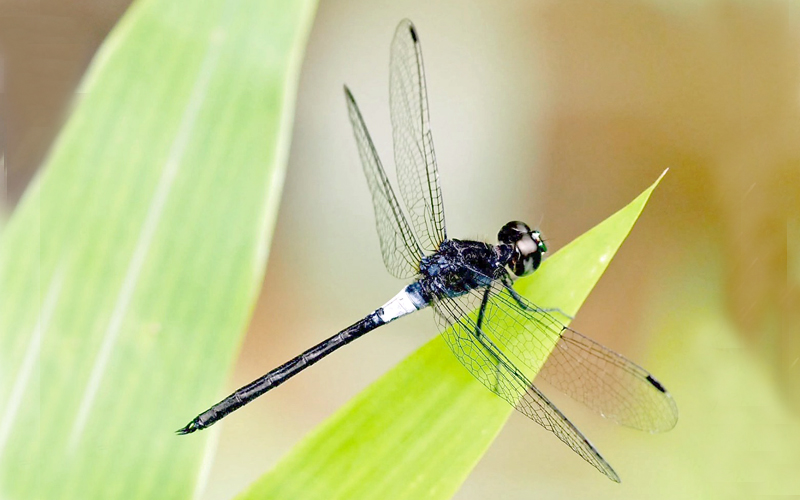
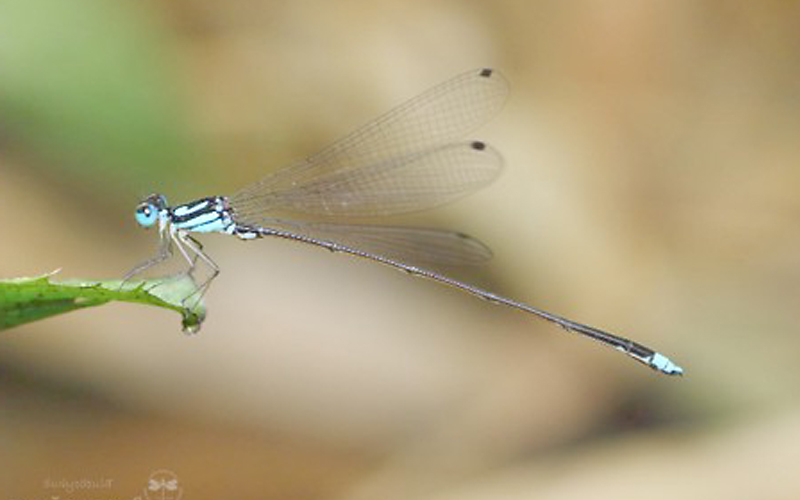
Nannophyopsis clara
Prodasineura sangkhla
Philoganga montana
Aristocypha iridea
Coeliccia sirindhornae
Vestalis anne
Ceriagrion chaoi
Nannophyopsis clara
Indaescha ornithocephala
Burmagomphus williamsoni
Rhinagrion viridatum
Protosticta trilobata
Macrogomphus albardae
Burmagomphus asahini
Echo modesta
Macromia calliope flavocolorata
Macrogomphus kerri
Rhinagrion mima
Camacinia gigantea
Nepogomphus walli
Coeliccia albicauda
Asiagomphus xanthanatus
Heliocypha biforate
Coeliccia poungyi
Lyriothemis elegantissima
Heliogomphus selysi
Prodasineura laidlawii
Dyspaea vanida
Phaenandrogomphus asthenas
Euthygomphus yunnanensis
Rhinocypha fenestrella
Coeliccia kazukoei
Tour Code: This tour is focused on seeing and looking for Dragonflies and Damselflies with good opportunities for photography. When in suitable habitats or if weather disrupts our search for Odonata we will also take time to look at all aspects of nature including endemic birds, mammals, butterflies, reptiles etc. To get the most out of this tour and see the most species, participants should be prepared to wade in the odd river or marsh, although generally we will be visiting the areas that are easy to access. There will be a few days with some longer travel distances given the diversity of habitats we are covering, but we break these journeys with several planned stops.
This tour will be booked on a first come first come first serve basis with confirmed places held on receipt of a deposit. Once we receive your deposit and completed Booking Form, we will send you a receipt of money paid and also your balance due date. Please note that once the tour has been confirmed with sufficient numbers to run, then your deposit becomes non-refundable as at this point both us and our local agents will have started administrative work and payments forwarded for local agent services.
Once the tour is confirmed to go ahead, we will send you information about booking your flights. Please do not book flights until you receive this information from us.
Final payment will be due 90 days before start of tour.
Please note rules and regulations are constantly changing so you will need to check with Country and Governmental guidelines. At present we will all have to abide by safety rules and protocols set by the Government of the country we are visiting; this may include wearing of masks and hand sanitizing especially within restaurants and public areas. If any of these rules are required you will need agree and adhere to this before we can accept you on a Bird’s, Wildlife & Nature Tour.
All details concerning what to bring, airport transfers, health, wildlife checklists etc will be sent out once the tour is confirmed and we have received your final balance.
Insurance: We strongly recommend that you take out adequate travel insurance to protect you against any unforeseen event including travel delay, injury or illness prior to or during the tour. Note to check if your insurance covers you against expenses incurred due to contracting Covid-19 or other pandemics either before or during the tour.
Click on the booking form above to reserve your place on this tour
This tour is being run through – Bird’s, Wildlife & Nature LTD
44 Courtland Crescent, Plymouth, Devon UK PL7 4HL
For more information. Contact:
Tel: Tom 07481 843971 Tel: Steve 07780 965129
Outside UK – Tom +44 7481 843971 Steve – +44 7780 965129
